No products found
Living off the grid is increasingly becoming popular, especially in Australia. It has been more viable over the years as well with continuous development in the field of off grid systems. The main benefit of living independently from grid systems is cost-effectivity. This is one of the best ways to reduce your monthly energy bills and also a reliable backup solution for power outages. It's eco-friendly too, helping reduce carbon footprint while allowing individuals to live self-sufficiently.
At present, the most popular and by far the best of all off grid power systems would be off grid solar systems. The use of solar power has been highly preferred by many in recent years mainly because of its ability to deliver quality power given proper installation and ample sunlight exposure.
A stand alone solar system works with the solar panels converting solar energy into DC power first. This DC power will then be stored in a battery and converted into AC power which can be used to run appliances.
What Are the Types Of Off Grid Systems?
Fully Off Grid Systems
A complete off-grid solar system is not connected to the grid, ideal for those who want to go green or get uninterrupted power where grid connection is not possible.
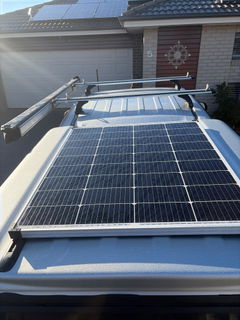
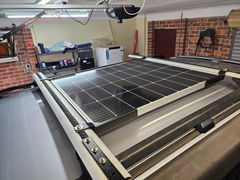
These setups usually include a set of solar panels, panel mounts, solar batteries, off grid inverter, and everything required to successfully install, generate, and store usable energy.
Partially Off Grid Systems
These types of systems are still connected to the grid and are used optionally. This means you can either choose to run it if you want a green alternative and at the same time go for grid-provided electricity if you wish to. It's also useful as backup power for those residing in areas prone to power interruptions.
Partially off grid systems have the same components as full off grid systems but also include the necessary equipment to connect them with mains electricity.
What Type Of Battery Is Best For Off Grid Systems?
The type of off grid battery you use largely impacts your entire system's performance. This will be your storage bank for energy generated by your solar panels and should be of superior quality to be able to supply your power requirements with zero interruptions.
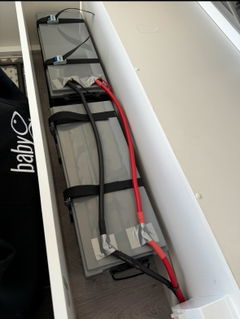
There are several types of batteries you can use for off grid power systems but lithium batteries are at the top of the pyramid. Lithium iron phosphate or LiFePO4 batteries are specifically recommended for their overall quality, longevity, and safety features.
LiFePO4 batteries have a safer battery chemistry and a non-toxic composition ideal even for first-time users. These also boast a built-in battery management system that protects your cells from abnormal temperature, over-voltage, and short circuits to help extend their lifespan.
How Many Solar Panels Do You Need For Off Grid Systems?
The number of solar panels you will need for your off grid system depends on how much your power requirements are. Other factors to consider would be the hours of sunshine per day, roof angling, and roof size.
Luckily, there are available solar panel calculators online to help you find out how much power you need. You can also reach out to your provider and get a quote. This way, get to speak to professionals who can best determine the best off grid solar system for you.
If you want an idea of a household's typical power consumption, here's a quick estimate for you: a three-bedroom home can run off-grid with about 4.4kW of solar output. A smaller establishment with fewer appliances would only need 2.2kW but of course, this is subject to change depending on the considerations mentioned above.
Why Shop At Outbax?
Here at Outbax, we offer the most efficient, high-grade power components in all of our off grid system packages. We also have available sets for every power requirement whether small, mid-sized, or large scale.
Our LiFePO4 batteries boast only the finest prismatic cells. These power packs last for over 2000 cycles and have a fast-charging feature, perfect for emergency situations such as sudden power outages.
The solar panels included are made with monocrystalline modules and come in a sleek, elegant appearance. These panels are lightweight yet sturdy and have an IP65 waterproof rating for maximum longevity.
If you need extra output, you can also go for packages with included inverter generators. Some of our sets come with a Gentrax 3.5kW Open Frame Inverter Generator, which is another reliable and discreet portable power supply you can use to back up your system.
Interested in having your own system installed? Visit our website at Outbax and choose your stand alone solar system today. We have tons of sets with a variety of inclusions to accommodate all kinds of off grid power needs!
Frequently Asked Questions
- Can a UPS be used as a generator?
- What is the difference between a power bank and a power station?
- How do I know what size inverter I need?
- Are there battery powered generators?
- What is a hybrid solar inverter?
- Do I need a fuse for my 12V setup?
- What can a 1000W inverter power?
- How can I get power while camping off-grid?