Speak to one of our Camping & Outdoor experts. Call us on 02 888 10 333 or chat with us Mon - Fri 9 am to 5:30 pm AEDT.

Questions? Call 02 888 10 333 Mon-Fri 9-5:30pm AEDT.

🔥 Go All-Out on Savings with 25% OFF Everything!

ALLOUT25

Solar Panel Accessories & Parts

View as

No products found

Frequently Asked Questions

  • What are the best solar panels to buy for a home?

    The best panels combine high-efficiency monocrystalline technology with robust construction and strong warranties. Matching premium panels like the VoltX range with quality inverters for your specific energy needs also delivers superior results over simply choosing based on brand alone.

  • Can I run my whole house on solar power?

    Yes, with a correctly sized system including a powerful hybrid inverter and sufficient battery storage, complete energy independence is achievable, though most households maintain grid connection for backup during extended cloudy periods.

  • How long do solar panels last?

    Quality panels typically carry 25-year performance warranties like VoltX models, though many continue producing useful power for 30-40 years with gradual efficiency decline rather than sudden failure.

  • What is the difference between a hybrid inverter and a regular inverter?

    A hybrid inverter manages power from panels, batteries, and grid simultaneously, automatically optimising energy flow for maximum savings and providing backup power, while regular inverters only convert solar DC to household AC without storage capabilities.

  • Do I need a battery for my home solar system?

    Batteries are crucial for backup power during outages and maximising self-consumption of your solar generation for true energy independence.

  • What maintenance do home solar systems require?

    Minimal maintenance involves keeping panels clean with occasional hosing, checking connections annually, and monitoring system performance through inverter displays or apps to ensure optimal operation.

  • Can I install a home solar system myself?

    While some off-grid kits suit confident DIY installation, grid-connected systems legally require licensed electricians for connection and compliance certification to ensure safety and maintain warranty validity.

  • How does a solar system work on cloudy days?

    Panels continue producing power on cloudy days at reduced rates (typically 10-25% of peak capacity), making battery storage valuable for maintaining a consistent supply during variable weather conditions.

  • What is an MPPT charge controller?

    Maximum Power Point Tracking technology, built into advanced inverters like the Deye series, continuously adjusts electrical operating points to harvest maximum available power from your panels regardless of changing sunlight conditions.

  • What are portable solar panels used for?

    Portable solar panels provide power when you're off-grid, making them ideal for camping, caravanning, RVs, and outdoor fun. They're perfect for charging batteries and running your essential bits of kit.

  • How do I choose the right size portable solar panel?


    It all boils down to your energy needs, mate. Think about what you want to power and how much juice they guzzle. More oversized wattage panels (300W or 400W) will give you more oomph and charge batteries faster than smaller ones (like 160W or 200W).

  • What's the difference between a solar panel kit and a solar blanket?


    Solar panel kits generally use sturdy, rigid panels that fold out, giving you a robust and efficient setup. Solar blankets are made of bendy material, making them super light and easy to stash away, though perhaps not quite as tough as rigid panels.

  • Do I need an Anderson plug for a portable solar panel?


    Anderson plugs are a top choice for a solid and dependable connection, especially when dealing with higher power. They are ideal for linking solar panels to batteries in caravans or camping setups. Some of our kits come with Anderson plugs for your convenience.

  • Are these solar panels waterproof?
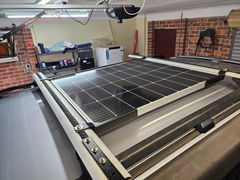

    While they're built for the great outdoors and are generally weather-resistant, it's always worth double-checking the nitty-gritty product details for specific waterproofing or weather resistance ratings to know their limits in proper downpours or if they take an accidental dunking.

VERIFIED CUSTOMERS RECOMMEND US