No products found
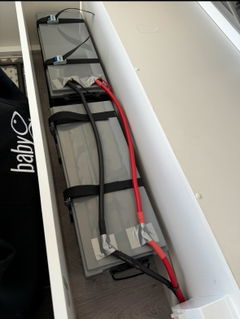
No adventure ride is complete without a reliable power source. Whether that's a caravan, a Ute, or a 4x4, having sufficient power to start the engine smoothly and run your appliances on board is a must and something you can only get by having a dual battery system. A dual battery system refers to having two batteries in a recreational vehicle. The first one would be your main or starting battery for your engine and the other one is your auxiliary battery which is responsible for supplying power to your electronics such as appliances and gadgets.
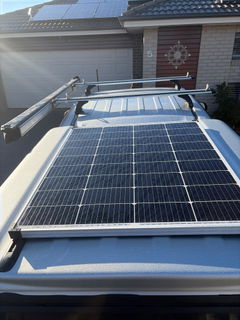
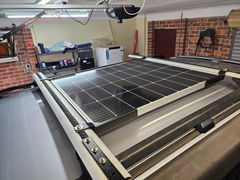
A dual battery system installation would require not just the batteries but also a battery charger and an inverter. You could either go for fixed solar panels on your roof to charge your secondary battery bank or opt for a DC-to-DC battery charger to allow for charging via your vehicle's alternator. If you're looking to have your own dual battery setup, check out our range at Outbax.
We have here a set of everything you will need, as well as a variety of separately sold premium power equipment. Visit our website today and start marking your picks!
Why Is A Dual Battery System Important?
The main battery of RVs such as caravans, 4x4s, and Utes is not designed to power your appliances on board. This battery supplies shorter, concentrated bursts of power for starting your engine and is not meant to run for long hours. If you're opting to power your ride with batteries, a dual battery system is a must to ensure you run both your vehicle and essentials equally well.
This is why having a second deep cycle battery is crucial. Why deep cycle? Deep cycle batteries are known for their ability to be discharged down to 20% before requiring a recharge. This translates to an extended runtime, which is helpful, especially for off-grid outdoor trips in your RV.
When choosing a deep cycle battery for your vehicle, opt for lithium deep cycle batteries like a LiFePO4 battery. It's packed with everything you could want in a power pack - high efficiency, safe operation, and top-notch overall performance.
How Does A Dual Battery System Work?
In a dual battery system, the included batteries function separately through the isolator switch that disconnects the starter battery from the secondary power pack. This is crucial to ensure that you only draw power from one battery at a time, preventing the risk of draining your main battery.
When your vehicle is running, your starter battery works with your alternator to keep your ride and its electronics powered. As soon as you turn it off, your auxiliary battery powers all electronics you have on board such as a portable fridge, lights, and air conditioners without having to maintain a running engine.
Thanks to this setup, you're sure to keep everything running smoothly from your engine down to your gadgets, especially when going off the beaten path.
What Is the Best Battery For A Dual Battery System?
Dual battery systems can use different types of batteries, but the most recommended kind would definitely be a deep cycle battery. Now, this comes in a variety of types as well - you can either go for a lead-acid deep cycle battery, the famous AGM deep cycle battery, or a lithium deep cycle battery.
For best results, most seasoned battery users that the way to go is always with a lithium deep cycle battery, like a LiFePO4. A deep cycle battery is known for its ability to be discharged down to 20% before requiring a recharge. This translates to an extended runtime, which is helpful, especially for off-grid outdoor trips in your RV. Pair this with the benefits of lithium like a safe battery chemistry and integrated BMS and you get the best power pack to run all your essentials.
A lot of RV owners typically go for a 12V deep cycle battery, but this will always boil down to your power requirements. It's the same case when choosing your power pack's capacity - you could either go for a standard 100Ah lithium battery, a 200Ah battery, or even a slimline battery if space is an issue.
Get Your Dual Battery System Basics At Outbax
Outbax offers a range of premium lithium dual battery system kits with different inclusions to accommodate every kind of adventurer. Check out what components you get when you avail of one of these choose your set today.
VoltX LiFePO4 Battery
Our LiFePO4 battery inclusions boast a superior composition made up of grade-A prismatic cells and an integrated battery management system for automatic cell optimisation and battery protection.
DC-DC Lithium Battery Charger
Charge your battery safely via your vehicle's alternator or solar panels. Our high-quality DC-to-DC Lithium Battery Chargers also have an MPPT function for optimal solar charging process.
Inverter
Get cleaner, more stable power for your appliances with our Pure Sine Wave inverters. Bluetooth-compatible with an advanced SPWM modulation technology, it produces only the finest power quality and offers everyday convenience to any dual battery setup.
Accessories
For easy dual battery system installation, we also provide accessories including M8 cables, MC4 cables, system fuse, and more.
More From Outbax
Have an existing 4x4 dual battery system already and just need to replace one component? No worries, you can also get our LiFePO4 batteries, inverters, lithium battery chargers, and solar panels separately. We even have a range of award-winning inverter generators for reliable backup you can easily transport anywhere.
Outbax also houses other bundles for tackling a variety of power needs. We have off-grid systems, superb pairings of our best components, and more. Visit our website today and you might just discover the best power solution for your RV, workshed, or off-grid home! Also, we have the most awesome offers here to give you a terrific shopping experience so don’t miss out and shop now!
Frequently Asked Questions
- Can a UPS be used as a generator?
- What is the difference between a power bank and a power station?
- How do I know what size inverter I need?
- Are there battery powered generators?
- What is a hybrid solar inverter?
- Do I need a fuse for my 12V setup?
- What can a 1000W inverter power?
- How can I get power while camping off-grid?